
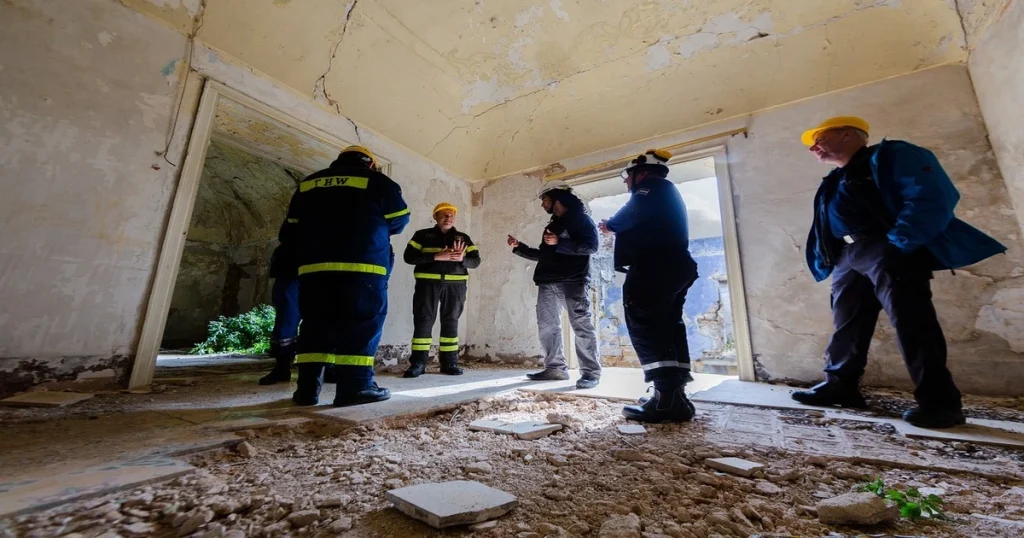
Buying a Property with Structural Damage in South Africa: Pros, Cons and Challenges
Purchasing a property with structural damage in South Africa can be a bold investment move — with the potential for high returns if approached strategically. However, it also carries significant risks that buyers must carefully consider.
Whether you’re an investor looking for a fixer-upper or a first-time buyer hoping to snag a bargain, understanding the pros, cons, and challenges of such a purchase is essential.
✅ Pros of Buying a Property with Structural Damage
Lower Purchase Price
Properties with visible structural issues often sell well below market value. This can offer significant cost savings or enable access to better locations that would otherwise be unaffordable.
Negotiation Power
Sellers are often more flexible on price and terms when the property has known defects. Buyers can leverage this to secure favourable deals, including extended transfer timelines or repair cost concessions.
High ROI Potential
With proper renovation, structurally compromised properties can be resold or rented out at a profit — especially in high-demand areas. Investors with construction expertise or access to skilled contractors stand to gain.
Access to Prime Locations
In well-established suburbs or business nodes, structurally damaged homes may be the only properties within budget. Repairing these properties can offer a way into sought-after neighbourhoods.
❌ Cons of Buying a Property with Structural Damage
High Repair Costs
Structural repairs are often expensive and require skilled professionals, such as structural engineers and registered builders. Costs can escalate quickly, especially if additional issues are uncovered during renovation.
Financing Difficulties
Banks in South Africa are reluctant to finance properties with structural issues. Buyers may need to pay cash or secure alternative financing, such as private lending — which may come with higher interest rates.
Insurance Challenges
Obtaining homeowners’ insurance for a damaged property can be difficult until repairs are completed. This increases the risk exposure during ownership and renovation.
Extended Time to Occupation or Sale
Renovations often take months, especially if building plan approvals or heritage permissions are required. This delays potential rental income or resale timelines.
⚠️ Key Challenges in the South African Context
🛠️ Accurate Assessment of Damage
South Africa lacks mandatory seller disclosure regulations as robust as in some other countries. While sellers must disclose “patent and latent defects,” not all structural damage is visible. A qualified structural engineer’s inspection is vital before finalising any offer.
📄 Legal Risks
Without a proper inspection clause, buyers risk waiving their right to claim for defects later under the voetstoots clause (buying “as-is”). Including comprehensive due diligence and conditional clauses in the Offer to Purchase is critical.
🏛️ Compliance and Building Regulations
Reconstruction may require compliance with South African National Building Regulations (SANS 10400). Non-compliance with local municipal building codes or rezoning restrictions can halt renovations or lead to penalties.
🧾 Title Deed and Land Issues
In rural or informal areas, structurally unsound property may also lack formal title deeds or be affected by land claims, which can complicate ownership and investment security.
📌 Tips for Buying a Structurally Damaged Property Wisely
- Hire a structural engineer: Always get a written report.
- Get repair quotes from NHBRC-registered builders before making an offer.
- Negotiate aggressively based on the report findings.
- Use a conveyancer who understands the implications of structural defects.
- Ensure proper insurance cover once the structure is stabilised.
- Budget 20–30% more than the estimated renovation cost for unforeseen issues.
🔚 Conclusion
Buying a property with structural damage in South Africa can be a lucrative venture — but only for those who approach it with knowledge, planning, and caution.
While the lower upfront costs may be tempting, hidden expenses, legal complications, and renovation challenges can quickly erode any potential profit.
However, it can offer a unique pathway to property investment success for savvy buyers who do their due diligence and understand the legal and financial risks.
Read our Top Read Blogs
How to finance property flipping in South Africa
